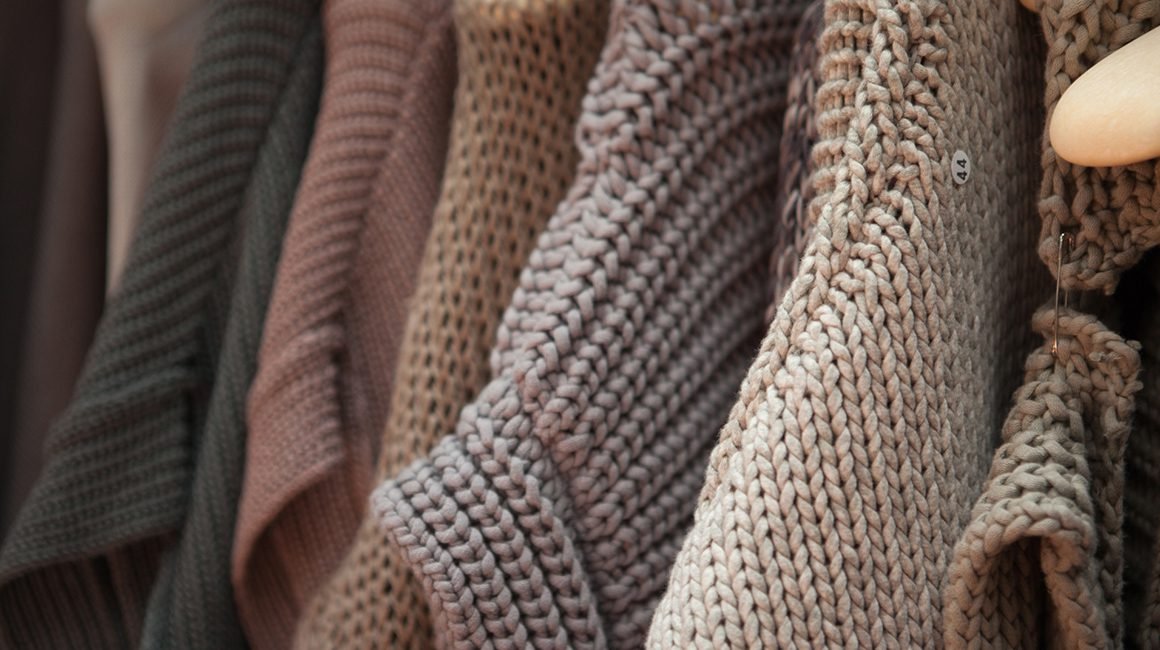
“All a woman needs to be chic is a raincoat, two suits, a pair of trousers and a cashmere sweater,” Hubert de Givenchy once said. Softer than the softest wool, smooth to the touch as silk, sensuously cosy as an evening by the fireplace; such is the seductive power of that most elusive and luxurious of wardrobe chic – cashmere.
It is born not from sheep, but from the soft undercoat of goats indigenous to the Himalayan highlands. The immensely harsh winters of the region mean that the goats have a double fleece: an outer layer made of coarser hair that protects against moisture, and an undercoat made of ultra-fine hair with such exceptional insulating properties that it is capable of keeping the goats warm in -30°C temperatures. The underside of the neck is where the longest and finest fibres grow; from which come forth the softest, most luxurious cashmere fibres.
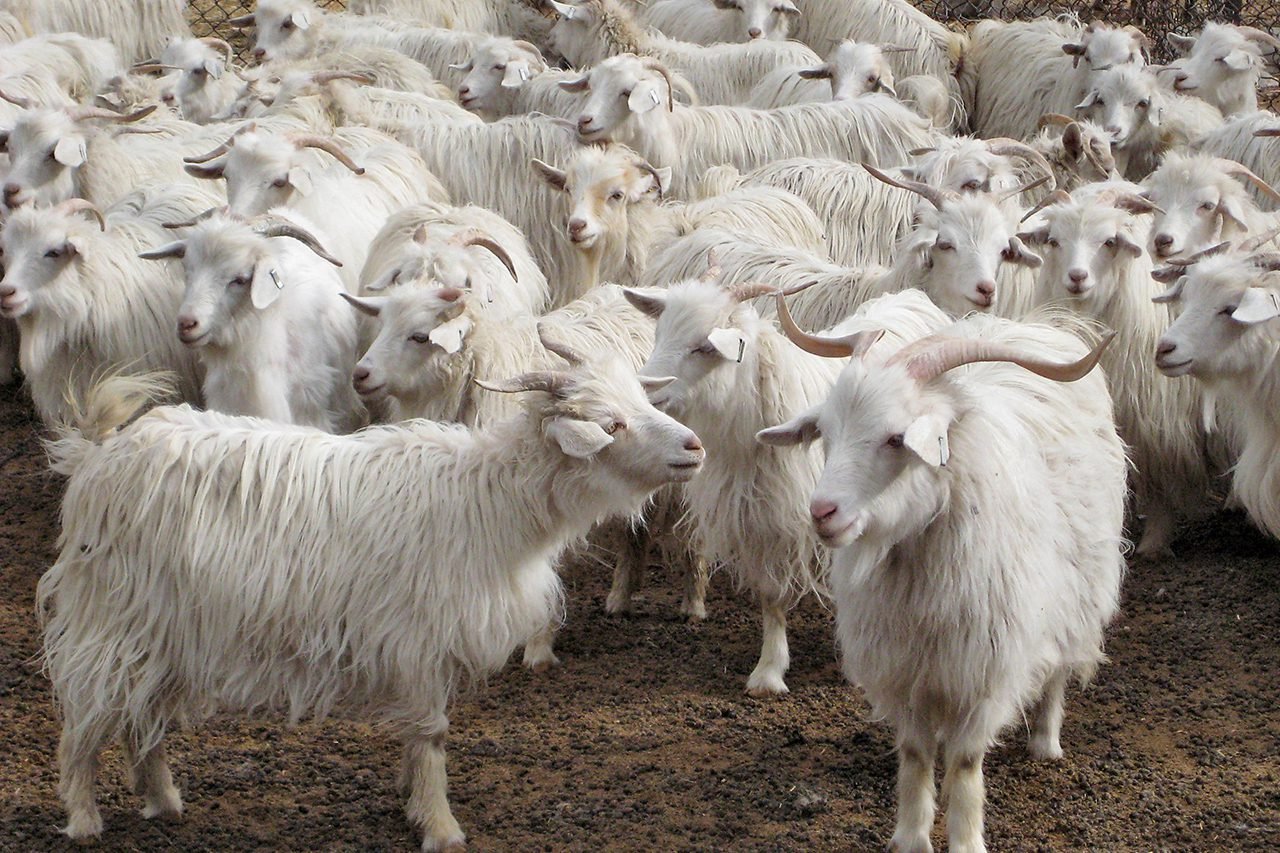
The harvesting of the fibres takes place in Spring when the goats naturally shed their coats. The fibres are collected through an arduous and time-consuming process. They are cleaned to get rid of any top hair or dirt, and then are segregated into different grades of quality based on thickness, length and colour of the fibres. The best cashmere fibre, graded A, is the thinnest, 7 to 14 microns, and also the longest, upto 36 mm. The lowest quality fibre, grade C, is around 30 microns. A typical sheep’s wool has a diameter of around 36 microns.
Genuine cashmere is extremely expensive due to the difficulty in collecting it and due to its scarcity. On an average, a cashmere goat generates around 150 grams of fibres annually while it takes around 300 grams to make a sweater.
Overall, only around 6,000 tonnes of cashmere are produced globally in a year, as compared to the over one million tonnes for natural wool. Today China is the largest producer of cashmere, followed by Mongolia, Nepal, India, Pakistan and Iran. Australia, New Zealand and Scotland also possess large cashmere goat breeding farms.
Once the fibres are extracted, they are dyed and spun into yarns. They can then be knit or woven into fabrics from which come premium suits or accessories. The most established companies for manufacturing yarns and knitting are located in Italy and Scotland. Ermenegildo Zegna, Loro Piana Cashmere, Brunello Cucinelli, Pringle of Scotland, Sofia Cashmere, Ballantyne and Kinross Cashmere are some of the most respected names dealing in high-grade cashmere.
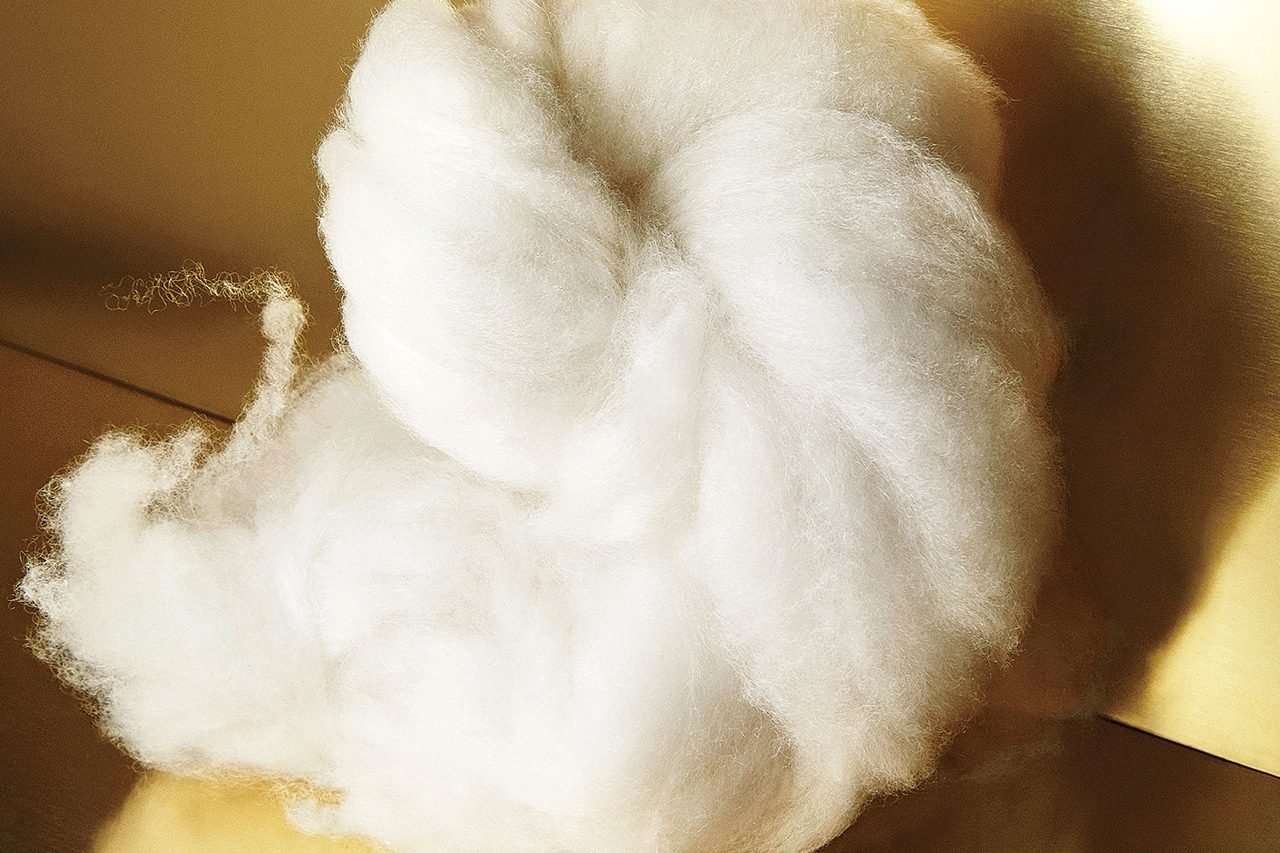
However, in recent years the world has witnessed the emergence of lower cost and often much lower quality cashmere from China. Another source of ‘cheaper’ cashmere is when cashmere fibres are mixed with other fibres in varying proportions. In such cases, the manufacturer is obligated to list the ingredients and their respective percentages. Given that there are grades of cashmere fibres, a product labelled “100% cashmere” may also be misleading if only the lowest grade fibres are used. High-quality cashmere, when compared to wool, is lighter, insulates three to eight times better, retains its shape better, and is much more durable if treated appropriately.